
Enjoying the Great Outdoors with Joint Issues: Tips and Solutions
Health ArticlesJun 27, 2024
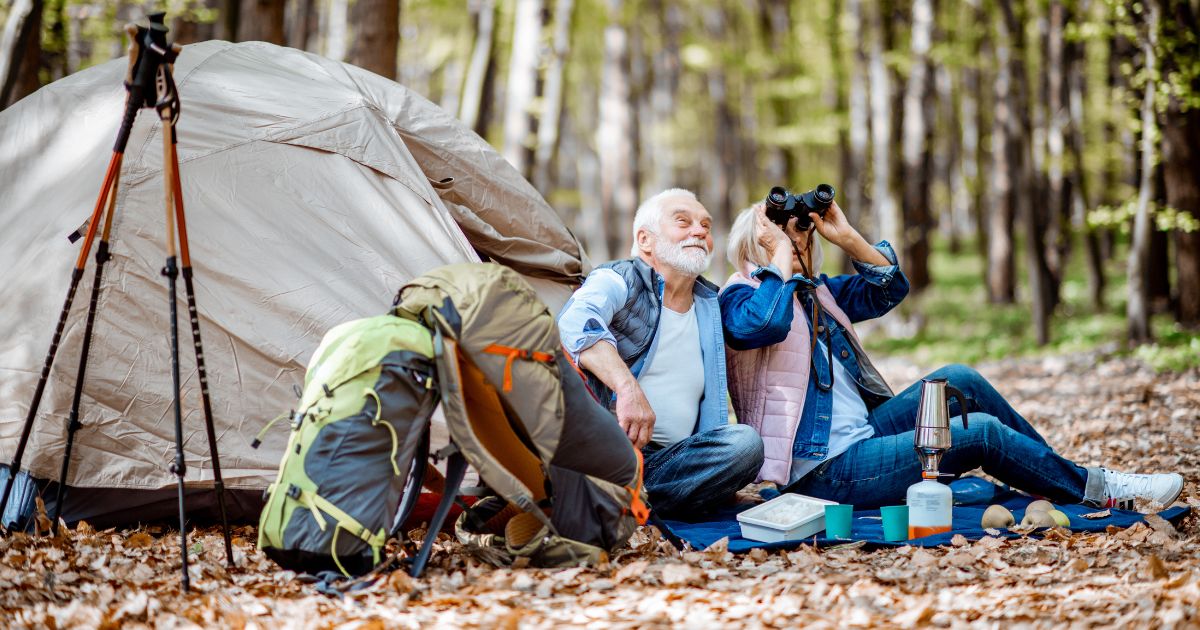
Overcoming Joint Pain for a Better Hiking Experience
Hiking and camping are excellent ways to connect with nature, stay active, and improve overall well-being. However, for those dealing with joint issues, these activities can seem daunting or even impossible. At Tidewater Orthopaedics, we understand the challenges faced by individuals with joint problems, and we're here to provide tips and solutions to help you enjoy the great outdoors.
1. Start with low-impact activities
If you're new to hiking or dealing with joint issues, begin with shorter, less strenuous trails. Gradually increase the difficulty and duration of your hikes as your body adjusts and your joints become stronger.
2. Use proper gear
Invest in high-quality hiking boots with good ankle support and cushioning to reduce the impact on your joints. Trekking poles can also help distribute your weight and stabilize uneven terrain.
3. Maintain a healthy weight
Excess weight stresses your joints, particularly your knees and hips. Maintaining a healthy weight through a balanced diet and regular exercise can help alleviate joint pain and improve your hiking experience.
4. Strengthen your muscles
Engaging in low-impact exercises like swimming, cycling, or using an elliptical machine can help strengthen the muscles around your joints, providing better support and stability during hiking and camping activities.
5. Apply heat or cold therapy
Before and after your outdoor adventures, apply heat or cold packs to your joints to reduce inflammation and pain. This can help you recover more quickly and prepare for your next outing.
6. Consider joint injections
For some individuals with joint issues, joint injections can relieve pain and improve mobility. Tidewater Orthopaedics offers various injections, such as corticosteroids or hyaluronic acid. These treatments can help reduce inflammation, lubricate the joints, and promote healing, allowing you to enjoy hiking and camping with less discomfort.
7. Consider a total joint replacement
For those with severe joint issues, a total joint replacement may be the best solution to regain mobility and enjoy an active lifestyle. At Tidewater Orthopaedics, our skilled surgeons specialize in total joint replacements, including knees and hips, using advanced techniques and state-of-the-art technology.
If you're considering joint injections or a total joint replacement, our team at Tidewater Orthopaedics will work with you to develop a personalized treatment plan. We'll guide you through the process, from pre-treatment preparation to post-treatment rehabilitation, ensuring the best possible outcome.
Remember, having joint issues doesn't mean you have to give up your love for hiking and camping. By following these tips and considering the options available, including joint injections and total joint replacement, you can continue to enjoy the great outdoors and maintain an active, fulfilling lifestyle. If you have any questions or want to schedule a consultation with one of our orthopaedic specialists, contact Tidewater Orthopaedics today.
If you're experiencing pain or discomfort or are worried about orthopaedic conditions, make an appointment with one of our experienced providers. We have offices in Hampton, Williamsburg, and Suffolk. Click the link below to make an appointment, or call our office at (757) 827-2480.
Q&A
Question: How can I begin hiking safely if I have joint issues?
Short answer: Start with low-impact outings on shorter, less strenuous trails, and gradually increase difficulty and duration as your body adapts and your joints get stronger. Complement your hikes with low-impact exercises like swimming, cycling, or using an elliptical to build supportive muscle around your joints.
Question: What gear can make hiking easier on my joints?
Short answer: Choose high-quality hiking boots with good ankle support and cushioning to lessen impact. Trekking poles are also helpful—they distribute your weight and improve stability on uneven terrain.
Question: Why do weight management and muscle strengthening matter for joint comfort outdoors?
Short answer: Excess weight places added stress on weight-bearing joints, especially knees and hips. Maintaining a healthy weight through a balanced diet and regular exercise can reduce pain and make hiking more enjoyable. Strengthening the muscles around your joints with low-impact activities improves support and stability on the trail.
Question: Should I use heat or cold therapy before and after hiking or camping?
Short answer: Yes. Applying heat or cold packs to your joints before and after outdoor activities can help reduce inflammation and pain, support recovery, and prepare you for your next outing.
Question: What treatment options does Tidewater Orthopaedics offer if pain persists, and how do I get started?
Short answer: For some individuals, joint injections—such as corticosteroids or hyaluronic acid—can reduce inflammation, lubricate the joint, promote healing, and improve mobility. For severe joint issues, total joint replacement (including knees and hips) may be the best path to regaining mobility; Tidewater Orthopaedics uses advanced techniques and state-of-the-art technology. Our team provides a personalized plan from pre-treatment preparation through post-treatment rehabilitation. To schedule a consultation, call (757) 827-2480. Offices are located in Hampton, Williamsburg, and Suffolk.
