
Beat the Heat: Preventing Muscle Cramps in Summer Activities
Health ArticlesAug 01, 2024
Understanding Muscle Cramps
As temperatures rise, so does the risk of muscle cramps during outdoor activities. At Tidewater Orthopaedics, we want to help you stay active, support healthy muscle function, and stay cramp-free this summer. Here are key strategies to prevent and manage muscle cramps:
Tips to Prevent Muscle Cramps
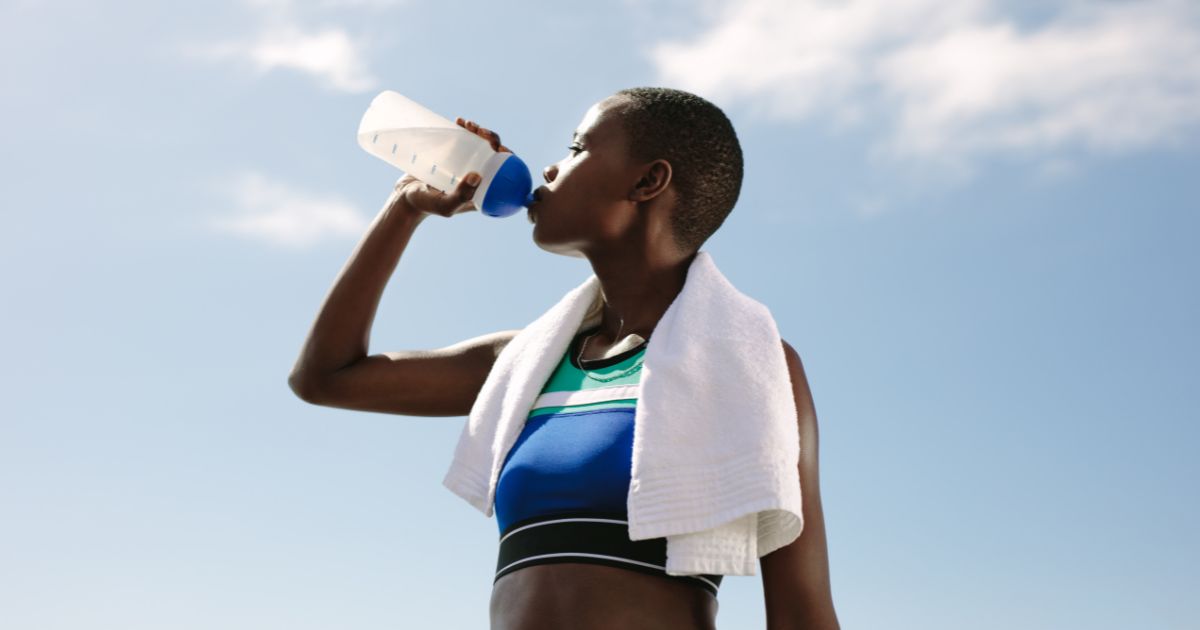
Stay Hydrated
Dehydration is a leading cause of muscle cramps. But why? When you're dehydrated:
- Your blood volume decreases, reducing blood flow to muscles
- Electrolyte imbalances occur, particularly sodium and potassium
- Nerve function is impaired, potentially causing misfiring of signals to muscles
- Muscles become more susceptible to fatigue and tightening
Follow these tips:
- Drink water consistently throughout the day
- Use a reusable water bottle and set reminders
- Consume water-rich fruits and vegetables
- Consider sports drinks for intense activities lasting over an hour
- Monitor your urine color -- pale yellow indicates good hydration
Warm Up and Cool Down Properly
Warming up is crucial for preventing muscle cramps. Here's why it helps:
- Increases blood flow to muscles, delivering oxygen and nutrients
- Gradually raises body temperature, making muscles more pliable and less prone to injury
- Improves nerve-to-muscle communication, enhancing coordination
- Mentally prepares you for the activity ahead
Prepare your muscles before activity and help them recover afterward:
Warm-Up:
- Start with light cardio to increase blood flow
- Perform dynamic stretches focusing on major muscle groups and any major muscle that feels stiff
- Gradually increase intensity
Cool-Down:
- Slowly reduce activity intensity over 5-10 minutes
- Perform static stretches, holding each for 15-30 seconds
- Use a foam roller to reduce muscle tension
- Keep moving to prevent blood pooling
Pace Yourself During Activities
Pacing yourself is crucial for preventing muscle cramps and other heat-related issues. Here's why:
- Gradual adaptation: Your body needs time to adjust to increased activity levels and heat, especially if you've been less active.
- Avoiding overexertion: Pushing too hard too quickly can lead to rapid fatigue, increasing the risk of cramps.
- Managing body temperature: Pacing helps prevent your body from overheating, which can lead to dehydration and cramping.
- Maintaining electrolyte balance: Gradual exertion allows your body to better regulate electrolyte levels, which is crucial for muscle function.
To pace yourself effectively:
- Start activities at a lower intensity than usual in hot weather
- Increase duration or intensity by no more than 10% each week
- Take frequent breaks, especially on hot days
- Mix high-intensity activities with lower-intensity ones
Nutrition for Summer Activities
Regular good nutrition is always a good idea if you know you'll enjoy summer activities. Consider having a pre-activity snack that combines carbohydrates and protein. Your diet should include fruit, vegetables, lean proteins, and whole grains.
Key Nutrients to Include
Focus on these key nutrients:
- Electrolytes: Potassium, magnesium, calcium, and sodium
- Vitamins: B complex and D
- Omega-3 fatty acids
Using Compression Gear
Compression gear can improve circulation and reduce cramping risk:
- Choose the right type for your activity (socks, sleeves, shorts, etc.)
- Ensure proper fit -- not too tight or too loose
- Use during activity and for post-exercise recovery
Listening to Your Body
- Pay attention to early warning signs like muscle tightness or fatigue
- Stop the activity if you feel a cramp coming on
- Stay alert to signs of dehydration or overheating
- Use gentle stretching to prevent muscle strain when you notice tightness
Key Takeaways
- Stay hydrated
- Warm up and cool down properly
- Pace yourself, especially in hot weather
- Maintain a balanced diet rich in key nutrients
- Consider using compression gear
- Listen to your body's signals
Don't let muscle cramps sideline your summer fun. With these tips and our expert care, you can enjoy the season to its fullest. Stay active, stay hydrated, and stay cramp-free!
If you're experiencing pain or discomfort or are worried about orthopaedic conditions, make an appointment with one of our experienced providers. We have offices in Hampton, Williamsburg, and Suffolk. Click here to make your appointment, or call our office at (757) 827-2480.
