
Specialists

Colin M. Kingston, M.D.
Read BioFrom Ethiopia to the Pitch: Jesse's ACL Reconstruction Comeback with Dr. Kingston
Doctor SpotlightMay 27, 2026
Overview
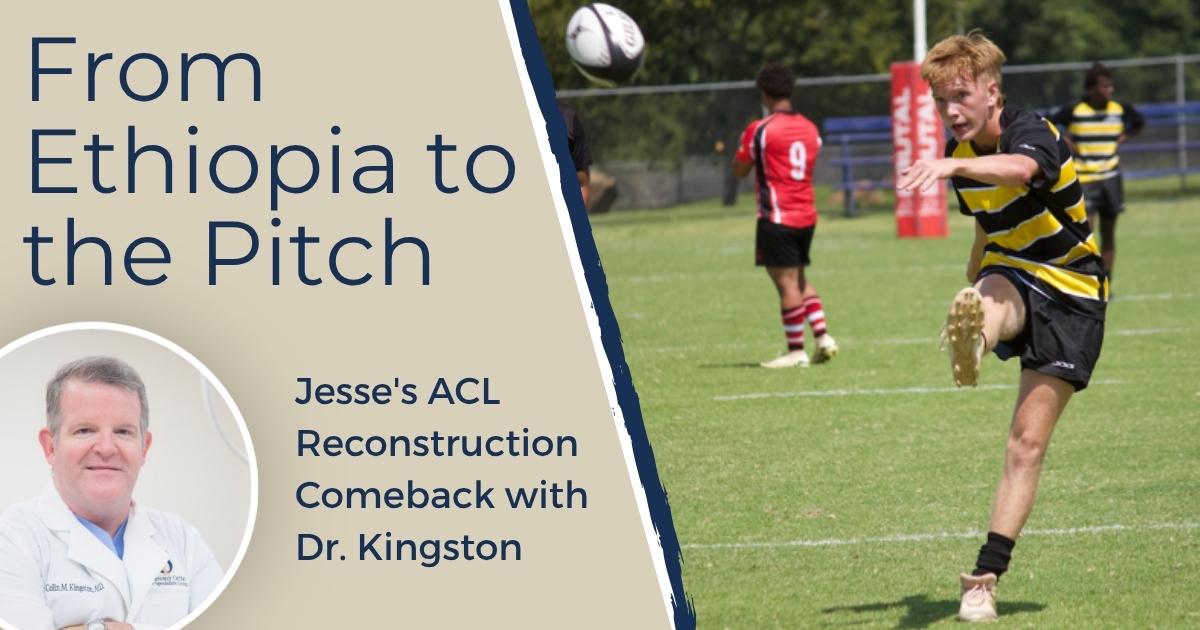
Rugby player Jesse Cleverley tore his ACL in Ethiopia and chose to return to the U.S. for anatomic ACL reconstruction with Dr. Colin Kingston, a former high-level rugby athlete who understood the sport’s demands. The surgery was straightforward with an autograft and precise anatomic placement, followed by a disciplined rehab that progressed from painful early mobility to strength milestones. Within eight months - after squatting 200 pounds by July, playing volleyball in August, and rejoining rugby by November - Jesse felt more stable than before. The story underscores the value of experienced, sport-savvy care, a coordinated rehab team, and patient dedication, with advice to seek early evaluation and stay focused through recovery.
Two weeks can change everything for an athlete
For Jesse Cleverley, rugby wasn't just a pastime - it was intensity, identity, and a constant test of mental and physical toughness. "What I enjoy most about the sport is the intensity and the physical challenge," Jesse shared. "It pushes you to be tougher both mentally and physically."
Then, in a split second, the game demanded more than grit.
The Moment Everything Changed
Jesse's injury happened in the chaos rugby players know well: contact, speed, and bodies moving in every direction. The details were "still hazy," he said. He remembers ripping the ball out of someone's hands while twisting at the same time. After the tackle, he heard what he describes as "a quick cardboard ripping sound."
And then: he couldn't get up.
An ACL tear is one of the most feared injuries in field sports for a reason. It's not only painful - it threatens the ability to cut, pivot, and accelerate with confidence. For Jesse, it was instantly frustrating. But even early on, his mindset locked onto one goal: recover and return.
Why Jesse Looked Beyond Local Care
Jesse's family began exploring options outside Ethiopia. "I didn't have a lot of confidence in the healthcare options available in Ethiopia for this type of injury," he explained, so they looked for specialists abroad with more experience in ACL reconstruction surgery.
They even considered a surgeon in South Africa known for working with rugby players. But ultimately, returning to the U.S. felt like the strongest path forward - especially for an injury with a long recovery timeline and high stakes.
The Consultation That Changed the Plan
Jesse first learned about Dr. Colin Kingston through a consultation his mother arranged - near where they were staying and in-network with insurance, and conveniently close to Tidewater Orthopaedics for coordinated care.
What happened next is one of those moments every athlete hopes for: being truly understood.
"Within two minutes of him walking into the room, we were in deep discussion on rugby as he was a top level rugby athlete himself," Jesse said.
For athletes - especially those in sports that aren't as common in the U.S. - that matters. Jesse put it plainly: "Rugby is not so common in U.S. and to have someone understand the level of physical contact that goes into the game was very important to me."
Dr. Kingston's ability to explain what needed to happen, the recovery process, and potential limitations "was very clear and easy to understand," Jesse added.
Why Dr. Kingston "Gets" Rugby (Because He Lived It)
Dr. Kingston didn't just play rugby - he immersed himself in it for a decade, starting in 1987 at the Uniformed Services University of the Health Sciences, where he played multiple scrum positions and later competed in rugby sevens.
His rugby path followed his military medical career, including playing in San Antonio, Missouri, and even while deployed during the first Gulf War, where he tried out for and made the British rugby A side in Riyadh, playing for six months.
When Dr. Kingston talks about rugby, he talks like a rugby player: about tackling technique, momentum, positioning, and the reality that "there's no pads." He remembers learning quickly that football-style tackling doesn't translate - and he learned that lesson the hard way.
That athlete's perspective shows up in how he treats athletes today. Dr. Kingston describes sports medicine as understanding "the athletic mind, the desire to go back to playing their sport," whether that's for scholarships, careers, or simply the joy of the game.
The ACL: More Than a Tear - A Road Back to Confidence
When asked what's unique about ACL injuries in rugby players, Dr. Kingston comes back to one phrase: anatomic ACL reconstruction - getting the graft as close to natural anatomy as possible.
He notes that once an athlete tears an ACL, they may be at higher risk for additional ACL injuries, and that returning safely to cutting and pivoting sports requires not only repair but the right functional outcome. In many cases, that means precise ACL reconstruction repair with careful graft selection.
Rugby demands constant running, pivoting, twisting, and contact that can happen "without even necessarily just being close to the ball."
In Jesse's case, Dr. Kingston described the ACL reconstruction surgery as "fairly straightforward" from a surgical standpoint, and Jesse had strong tissue available for grafting. Dr. Kingston emphasized his preference for using the patient's own tissue when possible and focusing on precise anatomic placement and correct graft tension.
The Journey: 17 - 18 Hours to Get Back to Sport
For Jesse, getting to surgery was an athletic challenge in itself. The flight was "about 17 or 18 hours," and navigating security and carrying bags was "a bit rough with the injury."
It wasn't just travel, either - he also faced the reality of missing school during surgery and early recovery.
On surgery day, Jesse admitted he was nervous. But once anesthesia took over, "the next thing I knew I was waking up and it was all done." Tired afterward, but reassured: "overall it went smoothly."
Rehab: The Toughest "Season" Jesse Ever Played
If surgery is the reset button, rehabilitation is the long game - ACL reconstruction rehab that requires patience and consistency.
"It was tough and pretty painful at times," Jesse said. Going from preparing for an international rugby tournament just two weeks earlier to working on "straightening my leg" was disheartening, especially during the first week after ACL reconstruction surgery when swelling and stiffness are common. But he stayed focused and did everything he could to recover.
Then came the turning point: squats.
"A big turning point was when I got to the stage of doing squats in rehab," Jesse shared. "After that, progress started to snowball and I knew getting back for the next season was possible."
Family support mattered, too: "My family was really supportive throughout the process and helped keep me motivated."
Milestones That Marked the Comeback
Jesse's ACL reconstruction recovery timeline is the kind of detail athletes love, because it proves the comeback is measurable, step-by-step.
- Surgery date: March 5
- By July: squatting 200 pounds for four reps
- August: returned to volleyball and played in a tournament in South Africa
- Back to rugby: November - 8 months after surgery
And perhaps the biggest statement of all: "It actually feels better than before - more stable, consistent, and reliable."
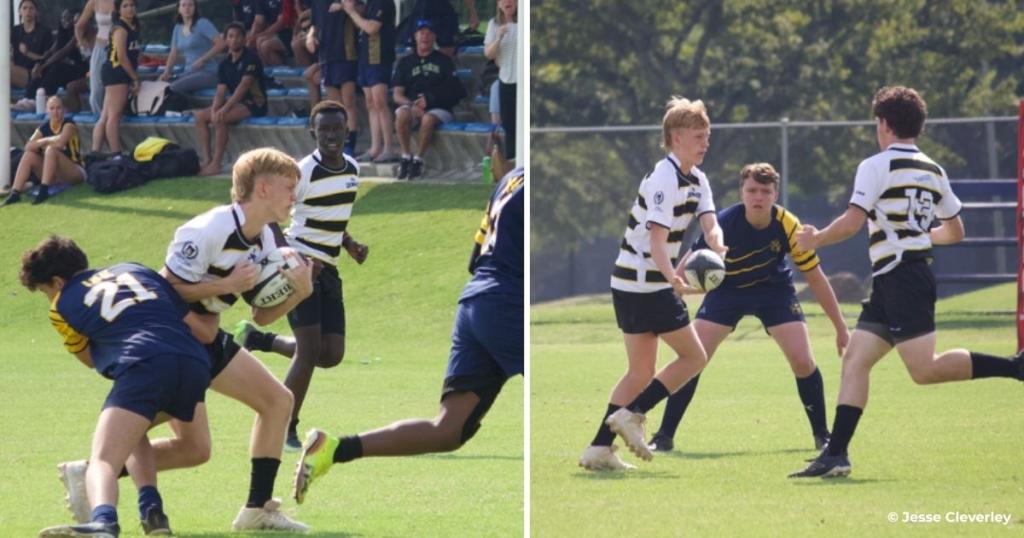
When Jesse returned to the pitch for the first time, he felt "a little nervous," but also prepared.
What Dr. Kingston Says Made the Difference
From Dr. Kingston's perspective, Jesse's outcome wasn't luck. It was the combined effort of a full team: surgeon, patient, physical therapy, athletic training and the daily discipline that rehab requires.
That partnership is what Dr. Kingston says he finds most rewarding, especially when he sees video of a patient playing again. "There's nothing more rewarding than that," he shared.
Advice for Young Athletes Facing ACL Injuries
Jesse's advice is honest and encouraging:
"Keep your head up. It's not as bad as it might seem, and if you stay focused on recovery, put in the work and dedication in physical therapy, you'll be back to sports before you know it."
Dr. Kingston's advice is equally direct:
"Get evaluated early, make sure graft choices are clearly explained, and choose a surgeon who performs a high volume of ACL reconstructions."
A Message of Gratitude - and a Story of Return
Jesse's final message says it best:
"I'm really grateful to Dr. Kingston and his team for helping me get back on the field!"
For Tidewater Orthopaedics, stories like Jesse's reflect what sports medicine is all about: restoring confidence, function, and the ability to do what you love, whether you're chasing a championship, a scholarship, or simply the joy of competing again.
Q&A
Question: Why did Jesse choose to leave Ethiopia and have surgery with Dr. Colin Kingston in the U.S.?
Short answer: Jesse lacked confidence in local options for a complex ACL reconstruction and sought a high-volume specialist who understood rugby’s demands. Dr. Kingston was in-network, near Tidewater Orthopaedics for coordinated care, and, crucially, was a former top-level rugby athlete who could clearly explain the surgery, recovery, and sport-specific realities.
Question: What makes anatomic ACL reconstruction important for rugby players?
Short answer: Rugby requires cutting, pivoting, and contact, so restoring knee stability is critical. Dr. Kingston emphasizes anatomic ACL reconstruction, placing and tensioning the graft as close to the native ACL as possible - often using the athlete’s own tissue. This approach aims for the functional stability needed to return safely to high-demand movements and may help reduce risk of further ACL issues.
Question: How did Dr. Kingston’s rugby background influence Jesse’s care?
Short answer: Having played multiple scrum positions and rugby sevens - even making a British A side while deployed - Dr. Kingston “speaks rugby.” He understands tackling mechanics, momentum, and the no-pads reality, which let him align surgical goals and rehab timelines with the sport’s true demands and Jesse’s mindset to return.
Question: What did Jesse’s rehab look like, and what were the key milestones?
Short answer: Rehab started painfully, focusing on swelling control and regaining extension. A turning point came with squats - after that, progress accelerated. Timeline highlights: surgery on March 5; by July he was squatting 200 pounds for four reps; in August he returned to volleyball and played a tournament in South Africa; by November (eight months post-op) he was back to rugby, feeling more stable and consistent than before.
Question: What factors most contributed to Jesse’s successful comeback, and what advice does he (and Dr. Kingston) offer?
Short answer: Success came from a coordinated team: surgeon, physical therapy, athletic training and Jesse’s daily discipline. Jesse advises staying positive and fully committing to rehab. Dr. Kingston recommends early evaluation, clear discussion of graft options, and choosing a surgeon who performs a high volume of ACL reconstructions.