Fall Foods That Support Strong Bones and Muscles
Health ArticlesOct 26, 2026
Cooler weather and fresh fall produce make this a good time to update your meals. These fall foods for bone health can also support muscle function and overall health.
No single food can prevent a bone or muscle problem. Still, a balanced diet with enough calcium, vitamin D, protein, magnesium, potassium, and other nutrients can help keep bones and muscles healthy. Calcium helps build and keep bone strong. Vitamin D helps your body absorb calcium. Protein also matters because it helps maintain muscle and repair tissue.
Here are a few of the best foods for bone density and for a balanced fall menu:
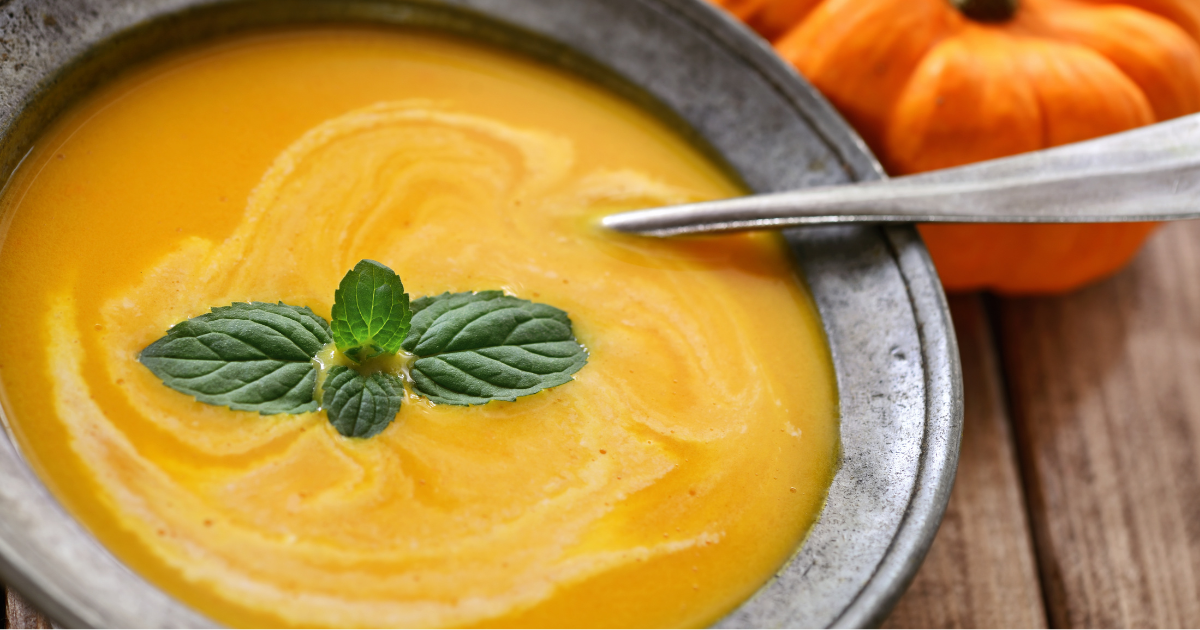
Pumpkin
Pumpkin gives you vitamin A, potassium, and other nutrients that fit into a balanced diet. Its mild sweetness and smooth texture make it easy to use in sweet or savory dishes. Try pure pumpkin in oatmeal, smoothies, soups, pancakes, or muffins. When you buy canned pumpkin, choose 100% pumpkin, not pumpkin pie filling.
Sweet Potatoes
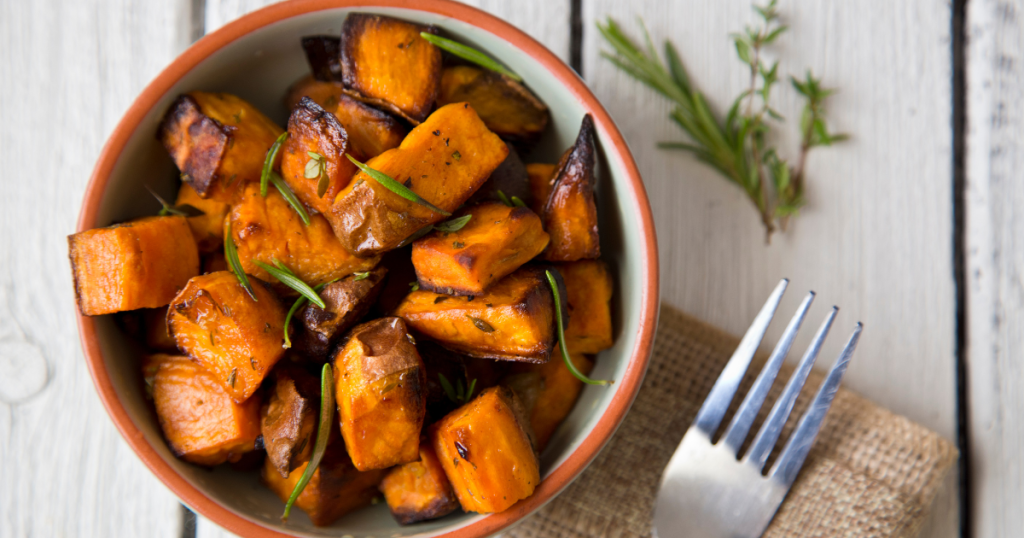
Sweet potatoes provide potassium and magnesium, two minerals that help normal muscle and nerve function. You can roast them, mash them, add them to soup, or serve them as a bright side dish. For a balanced meal, pair a baked sweet potato with beans, chicken, fish, or Greek yogurt.
Brussels Sprouts and Leafy Greens
Brussels sprouts and dark leafy greens have vitamin K. Green vegetables such as kale, broccoli, and bok choy can also add calcium to your diet. Roast Brussels sprouts with olive oil, add kale to soup, or mix fall greens into a salad with apples, walnuts, and grilled chicken.
Salmon for Bone Health
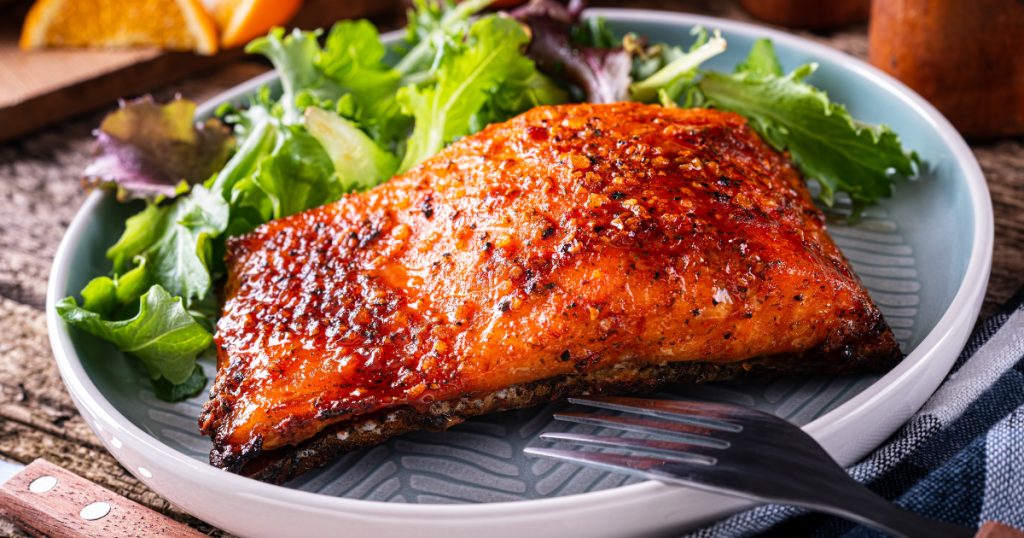
Salmon is one of the best foods for bone health because it provides protein and vitamin D. Vitamin D helps your body absorb calcium, which supports bone health. Bake salmon with fall vegetables, add it to a grain bowl, or serve it over a seasonal salad.
Nuts and Seeds for Bone Health
Almonds, walnuts, pumpkin seeds, chia seeds, and other nuts and seeds for bone health can add protein, magnesium, and healthy fats. Eat them as a snack, sprinkle them on oatmeal or yogurt, or add them to salads for crunch. Because they are high in calories, a small handful is usually enough.
Apples and Pears
Fall fruit may not be the first food you think of for bone health, but it can add fiber and variety to a healthy eating pattern. Pair sliced apples or pears with peanut butter, almond butter, cheese, or Greek yogurt for a snack that also has protein.
Build a Balanced Fall Plate
Instead of focusing on one helpful food, try to mix several helpful food groups. A balanced fall meal can include roasted vegetables, a protein like salmon or beans, a whole grain, and a calcium-rich food. Good options for calcium are yogurt, milk, fortified plant milk, tofu, or leafy greens.
Nutrition is only one part of bone and muscle health. Weight-bearing exercise, strength training, enough sleep, and your healthcare provider's advice also matter. If you have bone loss, kidney disease, food allergies, or another condition that changes your nutrition needs, talk with your healthcare provider or a registered dietitian before making major diet changes or starting a supplement.
Enjoy the flavor of fall while giving your body the nutrients it needs to stay active through the season.
Q&A
Question: Can one fall food prevent bone or muscle problems?
Short answer: No. No single food can prevent a bone or muscle problem. A balanced diet, regular exercise, and enough sleep help more.
Question: Why are calcium and vitamin D often mentioned together for bone health?
Short answer: Calcium helps build and keep bone, while vitamin D helps your body absorb calcium. That is why foods like salmon, yogurt, milk, fortified plant milk, tofu, and leafy greens can all help.
Question: How can I make fall produce part of a more balanced meal?
Short answer: Pair fall produce with protein, whole grains, and calcium-rich foods. For example, serve a baked sweet potato with beans, chicken, fish, or Greek yogurt. You can also add fall greens to a salad with apples, walnuts, and grilled chicken.
Question: Are nuts and seeds healthy even though they are high in calories?
Short answer: Yes. Nuts and seeds can give you protein, magnesium, and healthy fats. Because they are high in calories, use a small handful or add them to oatmeal, yogurt, or salads.
Question: When should someone talk to a healthcare provider before changing their diet?
Short answer: Anyone with bone loss, kidney disease, food allergies, or another condition that changes nutrition needs should talk with a healthcare provider or registered dietitian before big diet changes or a new supplement.
