
Specialists

Nicholas K. Sablan, M.D.
Read BioCan Meniscus Heal on Its Own? Treatment Options
Health ArticlesSep 16, 2026
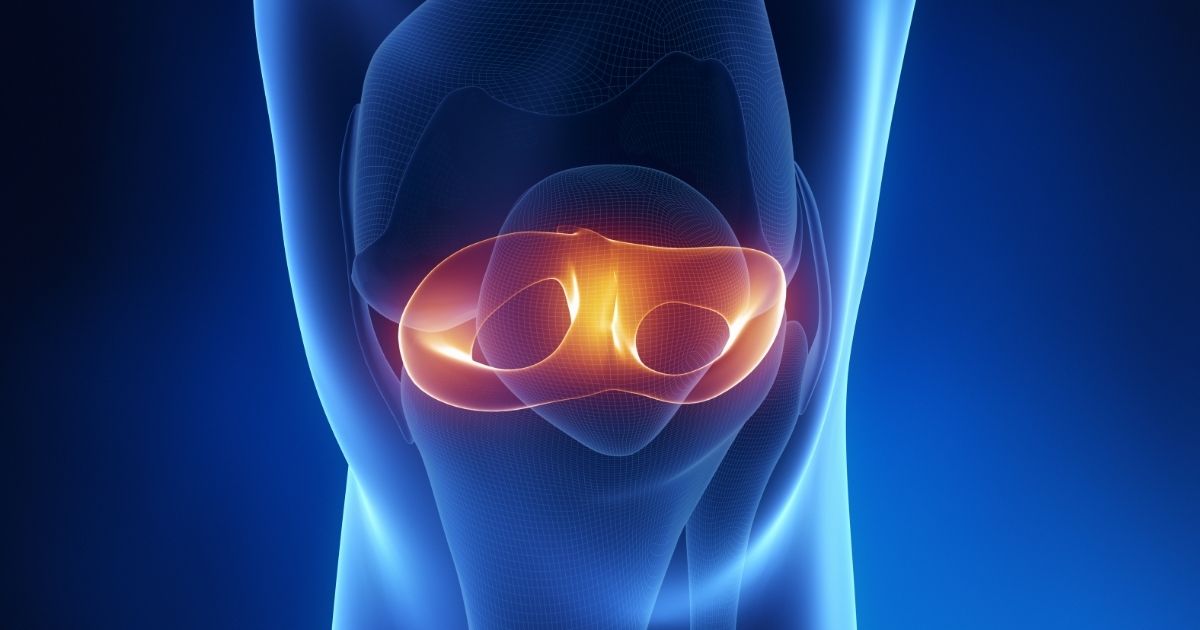
A meniscus tear is a common knee injury that can cause pain, swelling, catching, stiffness, and trouble trusting the knee during daily movement. Treatment depends on the tear pattern, meniscus location, symptoms, activity level, and whether the knee locks or feels unstable. This guide explains torn meniscus symptoms, whether a meniscus can heal on its own, and what meniscus tear recovery often involves.
If you are asking can meniscus heal on its own, the answer depends on tear type, blood flow, and knee stability. Some tears calm down with time and rehab. Others need more active meniscus tear treatments.
Where is the meniscus located, and why does it matter?
The meniscus is a C-shaped pad of cartilage between the thighbone and shinbone. Each knee has two menisci. They absorb shock, spread load, and help the joint move smoothly. Because the meniscus sits inside the knee joint, torn meniscus pain is often felt along the joint line rather than on the kneecap.
Meniscal injuries can happen suddenly during twisting, pivoting, squatting, or direct impact. They can also build slowly as cartilage wears with age. One person may feel a sharp pop during sports. Another may notice meniscus pain after a simple turn, deep bend, or standing from a chair.
How do you tell if you tore your meniscus?
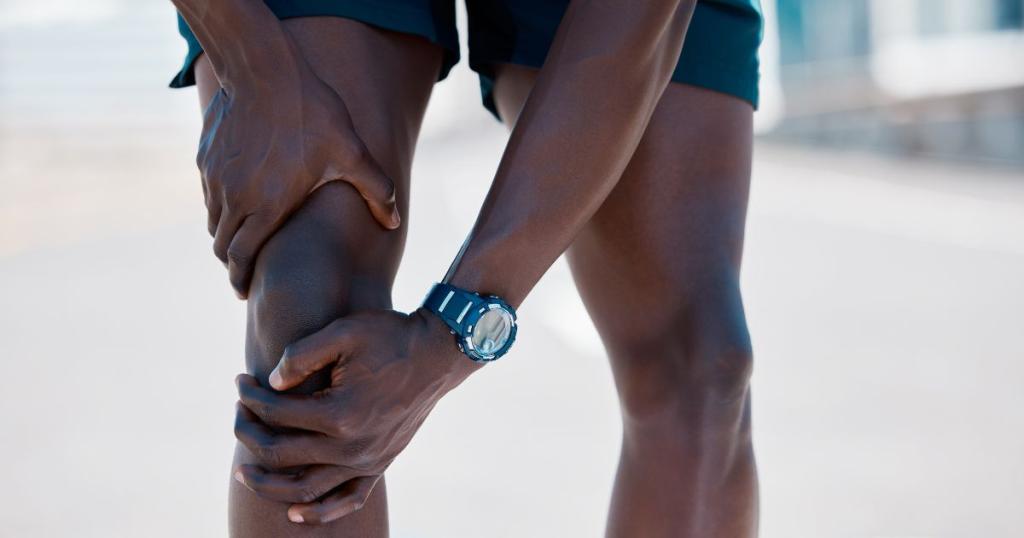
Common meniscus tear symptoms include knee pain, swelling, stiffness, clicking, catching, and trouble fully bending or straightening the knee. Some people can keep walking at first, then feel worse over the next few hours or days as swelling rises. If you are wondering how to tell if you tore your meniscus, watch for symptoms after a twist or squat that do not ease with rest.
Signs of a torn meniscus may include:
- Pain along the inside or outside joint line of the knee
- Swelling that develops soon after injury or over time
- A catching, clicking, or locking sensation
- Trouble squatting, pivoting, kneeling, or using stairs
- Feeling that the knee may give way
- Less range of motion or trouble straightening the leg
So, can you walk with a torn meniscus? Often, yes, especially with smaller or worn tears. However, walking does not mean the knee is fine. If the knee locks, gives way, swells again and again, or pain limits normal activity, get evaluated.
Can meniscus heal on its own?
Sometimes, but not always. The answer to that depends on its own depends on blood flow and tear type. Tears near the outer edge of the meniscus, often called the red zone, have better healing potential because that area has more blood flow. Tears in the inner white zone have limited blood supply and are less likely to repair themselves.
Some improve with time and rehab, while others need more structured care. Does a torn meniscus repair itself completely? It may not, but symptoms can still improve if the tear is stable and the knee becomes stronger, less swollen, and better controlled.
A clinician may recommend nonsurgical care when symptoms are mild, the knee is not locked, and swelling is manageable. Surgery is more likely to be discussed when symptoms persist, the tear is displaced, or the knee cannot move normally.
Meniscus tear treatments start with the right diagnosis
Meniscal injuries treatment should be based on the whole knee, not just an MRI result. A clinician may use your injury story, physical exam, range-of-motion testing, and sometimes imaging to find the source of pain. X-rays do not show the meniscus itself, but they may help rule out other causes of knee pain.
Common meniscus tear treatments include:
- Activity changes Reducing pivoting, deep squats, running, or heavy lifting can calm irritation while the knee recovers. This does not always mean complete rest. Gentle, pain-limited movement often helps maintain mobility.
- Ice, compression, and elevation These simple steps can reduce swelling after activity. Less swelling usually means better range of motion and improved muscle function.
- Medication for short-term symptom relief Some people use ibuprofen for meniscus tear pain, but nonsteroidal anti-inflammatory drugs are not right for everyone, especially people with certain stomach, kidney, heart, bleeding, or medication concerns. Ask a qualified clinician or pharmacist before using them regularly.
- Physical therapy and exercise Rehab often focuses on restoring motion, strengthening the quadriceps, hamstrings, hips, and calves, and improving balance. Stronger muscles reduce stress on the irritated knee and can make daily activities feel safer.
- Injections in selected cases Depending on the diagnosis, a clinician may discuss injections to reduce inflammation or address related joint irritation. These do not stitch a torn meniscus, but they may help symptoms in carefully chosen situations.
- Surgical options If surgery is needed, the goal is often to preserve as much useful meniscus tissue as possible. Options may include meniscus repair or a trim, depending on the tear's location, shape, tissue quality, and healing potential.
How long does a meniscus tear take to heal?
There is no single timeline - it depends on the tear, treatment choice, age, health, strength, swelling, and whether other knee problems are present. A mild, stable meniscus injury may feel better over several weeks with careful rehab, while torn meniscus recovery after surgery can take longer and should follow the surgeon's protocol.
Think in phases rather than a fixed date. Early goals include reducing swelling and restoring comfortable motion. Later goals include rebuilding strength, balance, confidence, and sport- or job-specific movement. Meniscus injury recovery time should be guided by function, not just the calendar.
Does a torn meniscus hurt all the time? Not necessarily. Pain may come and go, especially with twisting, stairs, squatting, or long walks. Torn meniscus symptoms recovery is usually a gradual process: fewer flare-ups, better movement, and improved trust in the knee.
Practical ways to support recovery and prevent another tear
Learning how to heal a torn meniscus starts with respecting symptoms while rebuilding capacity. Pushing through sharp pain, repeated swelling, or locking can slow progress. On the other hand, avoiding all movement for too long may lead to stiffness and weakness.
To support recovery and learn how to prevent meniscus tear problems in the future:
- Warm up before sports, running, or heavy work
- Strengthen hips, thighs, and calves consistently
- Practice safe landing, cutting, and pivoting mechanics
- Increase training volume gradually
- Use supportive footwear for your activity
- Avoid sudden deep twisting under load when possible
- Address knee swelling or looseness early instead of waiting months

The takeaway
A torn meniscus can be painful and frustrating, but many people improve with the right mix of diagnosis, symptom control, rehab, and activity changes. Some tears can settle without surgery, while others need repair-focused care. If meniscus pain is ongoing, your knee locks, or you cannot return to normal movement, seek a professional evaluation so your treatment plan fits your injury.
Q&A
Question: When should someone get a meniscus injury evaluated instead of waiting for it to improve?
Short answer: Get checked if the knee locks, gives way, swells again and again, cannot straighten or bend normally, or pain keeps you from normal activity. Some people can still walk with a torn meniscus, but walking alone does not mean the injury is minor or healing well.
Question: Why do some meniscus tears heal better than others?
Short answer: Healing depends mostly on tear location and type. Tears near the outer edge, or red zone, have more blood flow and may heal more easily. Tears in the white zone have less blood flow and are less likely to repair themselves.
Question: Does every torn meniscus require surgery?
Short answer: No. Many mild or stable tears improve with nonsurgical care such as activity changes, swelling control, medicine when appropriate, and physical therapy. Surgery is more likely if symptoms last, the tear is displaced, the knee locks, or normal movement does not return.
Question: What is the main goal of meniscus tear rehabilitation?
Short answer: Rehab aims to reduce swelling, restore comfortable range of motion, rebuild strength in the quadriceps, hamstrings, hips, and calves, and improve balance and confidence. The goal is not just pain relief, but helping the knee handle daily life, work, or sport safely.
Question: Why should recovery be based on function rather than a fixed timeline?
Short answer: Meniscus recovery varies by tear type, treatment choice, age, health, swelling, strength, and other knee problems. Because progress often happens in phases, it is better judged by fewer flare-ups, better movement, restored strength, and more trust in the knee than by a set number of days or weeks.
Sources
- American Academy of Orthopaedic Surgeons. “Meniscus Tears.” OrthoInfo. https://orthoinfo.aaos.org/en/diseases--conditions/meniscus-tears/
- Mayo Clinic. “Torn Meniscus: Symptoms and Causes.” https://www.mayoclinic.org/diseases-conditions/torn-meniscus/symptoms-causes/syc-20354818
- American Academy of Orthopaedic Surgeons. “Management of Acute Isolated Meniscal Pathology.” https://www.aaos.org/globalassets/quality-and-practice-resources/acute-meniscal-pathology/orthoguidelines_infographic_amp.v2.pdf