
Understanding the Causes of Big Toe Pain
Health ArticlesNov 16, 2026
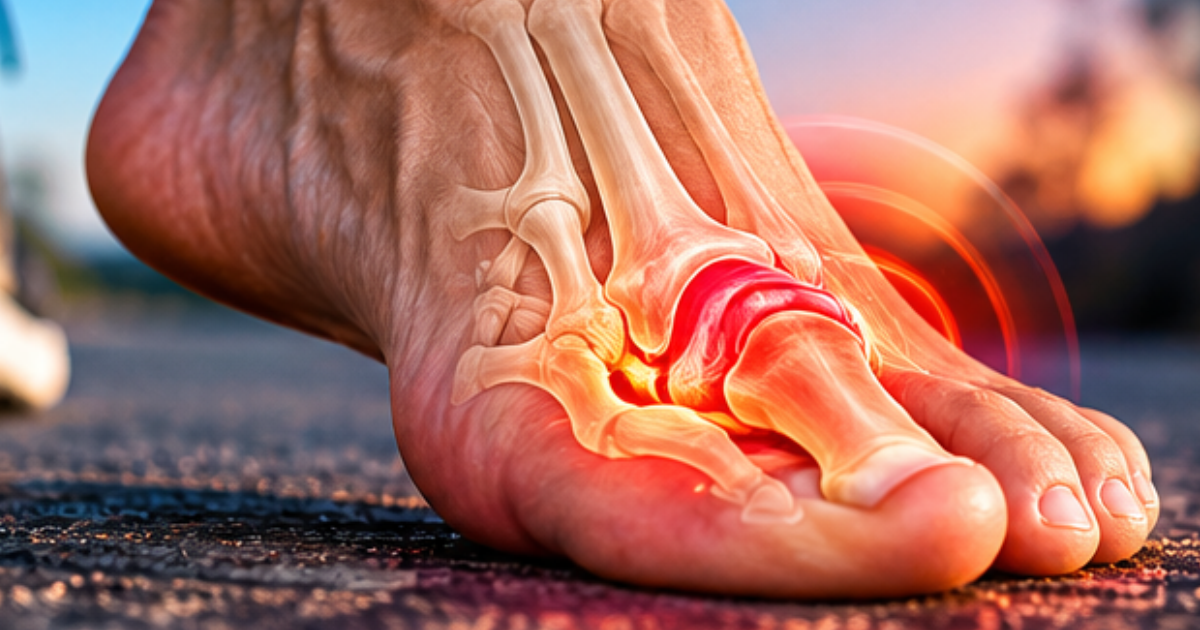
Big toe pain is common, and it can make walking, running, or even standing feel miserable. The good news is that most big toe pain has a clear cause. Once you know what’s behind it, you can choose the right treatment and help prevent it from coming back.
Big toe pain can come from injuries, swelling in the joint, bone changes, or problems with the nail and skin. Shoes and sports can also play a big role. This guide walks through the most common causes, what they feel like, and when it’s time to see a doctor.
Anatomy of the Big Toe: Why It Matters
Your big toe (also called the hallux) helps you balance and push off the ground with each step. Because it carries a lot of weight and moves often, it’s easy for this area to get irritated or injured.
Main parts of the big toe include:
- The toe bones (phalanges)
- The joint where the toe meets the foot (the metatarsophalangeal joint)
- Ligaments and tendons that keep the joint stable
- Two small bones under the joint (sesamoid bones) that act like tiny kneecaps
When any of these parts get inflamed, damaged, or worn down, you can feel pain in the big toe—especially when you walk or bend the toe.
Common Causes of Big Toe Pain
Some causes happen suddenly (like an injury). Others build up over time (like arthritis or a bunion). Here are the most common reasons people have big toe pain.
Gout: Sudden, Intense Joint Pain
Gout is a type of arthritis caused by too much uric acid in the body. Uric acid can form sharp crystals that collect in a joint, often the big toe.
Gout symptoms often include:
- Sudden, severe pain (often at night)
- Redness and swelling
- Warmth and tenderness in the joint
Gout attacks can come and go. Treatment may include medicine to calm the flare-up and changes to your diet and habits to help prevent future attacks.
Bunions: A Bony Bump at the Base of the Toe
A bunion is a bump that forms at the base of the big toe when the toe starts to lean toward the other toes. This changes how the joint lines up and can make the area sore.
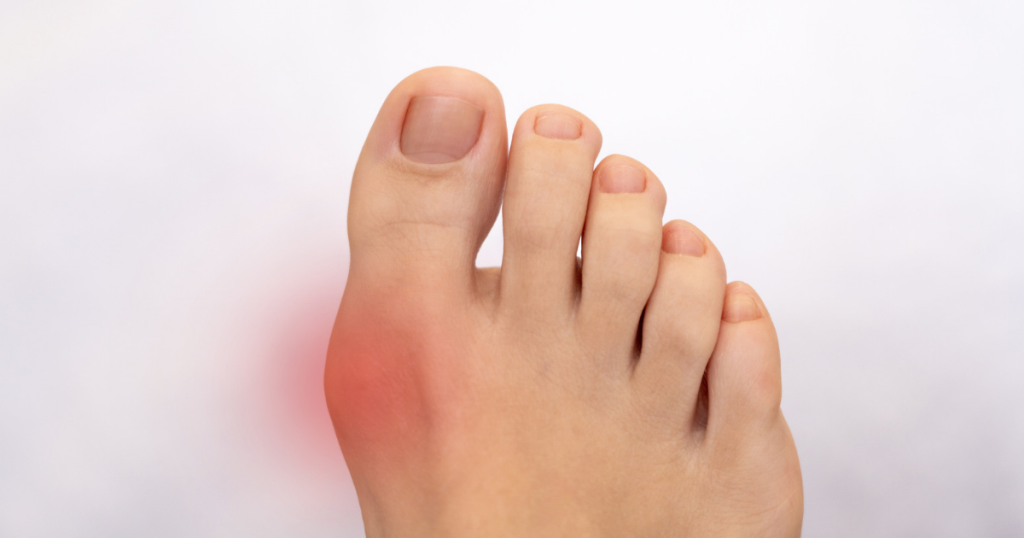
Bunion symptoms may include:
- A visible bump on the side of the big toe joint
- Pain or aching, especially in tight shoes
- Swelling or redness
Wearing shoes with a wide toe box can help. In more serious cases, a doctor may recommend special inserts (orthotics) or surgery.
Arthritis: Stiff, Achy Joint Pain
Arthritis means inflammation in a joint. Two types that can affect the big toe are:
- Osteoarthritis: “Wear-and-tear” arthritis that happens as cartilage breaks down over time.
- Rheumatoid arthritis: An autoimmune disease where the immune system attacks the joints.
Arthritis symptoms can include:
- Stiffness (especially in the morning)
- Swelling or tenderness
- Pain when walking or bending the toe
Treatment might include anti-inflammatory medicine, physical therapy, supportive shoes, and orthotics.
Hallux Rigidus / Hallux Limitus: A Stiff Big Toe
Hallux limitus means the big toe is harder to bend than normal. Hallux rigidus is a more advanced form where the joint becomes very stiff and painful, often due to arthritis.
Signs can include:
- Pain when you push off while walking
- Stiffness and reduced range of motion
- Swelling around the joint
Stiff-soled shoes, orthotics, and physical therapy can help. Some severe cases may need surgery.
Turf Toe: A Sports Injury
Turf toe happens when the big toe bends too far upward (hyperextends). It’s common in sports that involve sprinting and quick stops, especially on artificial turf.
Symptoms may include:
- Pain at the big toe joint
- Swelling and bruising
- Pain when you bend or push off the toe
Rest, ice, and reducing activity are important. A brace, taping, or a stiff insert in the shoe may also help.
Sesamoiditis: Pain Under the Big Toe
Sesamoiditis is irritation and inflammation of the sesamoid bones under the big toe joint. It often comes from overuse, jumping, dancing, or running.
Common symptoms include:
- Pain under the big toe (the ball of the foot)
- Pain that gets worse with activity
- Swelling in the area
Treatment usually includes rest, ice, supportive shoes, and sometimes padding or orthotics to take pressure off the area.
Nerve Problems (Including Neuromas)
Sometimes big toe pain comes from irritated nerves. You might feel tingling, burning, numbness, or a “zapping” feeling. Tight shoes and repeated pressure can make nerve pain worse.
Helpful steps may include:
- Switching to wider shoes
- Using cushioned insoles or pads
- Avoiding activities that trigger symptoms
If nerve symptoms keep coming back, a medical exam is important to find the exact cause.
Ingrown Toenails and Infections
An ingrown toenail happens when the nail edge grows into the skin. This can cause swelling and infection.
Signs include:
- Redness and swelling along the nail
- Pain when you touch the area
- Drainage or pus (a sign of infection)
Mild cases may improve with proper nail trimming and warm soaks. More serious cases may need treatment from a clinician.
Fractures, Sprains, and Direct Trauma
Stubbing your toe, dropping something heavy on it, or twisting it can lead to a bruise, sprain, or fracture.
Possible symptoms include:
- Sharp pain after an injury
- Swelling or bruising
- Trouble moving the toe or putting weight on the foot
If you suspect a fracture or you can’t walk normally, get medical care.
Less Common Causes of Big Toe Pain
Some problems are less common but still important.
Bursitis
Bursitis is inflammation of a small fluid-filled sac (a bursa) that helps reduce friction near joints. It can cause tenderness, swelling, and aching pain around the big toe joint.
Tendonitis
Tendonitis is irritation or inflammation in a tendon, often from overuse. Pain may feel worse with movement or after activity.
Risk Factors and Lifestyle Contributors
Certain habits and situations make big toe pain more likely. Common risk factors include:
- Tight, narrow, or high-heeled shoes
- Sports with running, jumping, or sudden direction changes
- Standing for long periods
- Extra body weight (more pressure on the feet)
- Past foot injuries
Simple changes—like better shoes and a gradual training plan—often reduce pain and prevent flare-ups.

When to See a Doctor: Warning Signs
See a healthcare professional if you have:
- Pain that doesn’t improve after a few days of rest
- Severe swelling, redness, warmth, or fever
- Drainage, pus, or a bad smell around the nail
- Difficulty walking or putting weight on the foot
- Numbness or ongoing tingling
Getting help early can prevent longer-term problems.
How Doctors Figure Out the Cause
A clinician will usually start by asking about your symptoms, activity level, shoes, and recent injuries. They’ll also examine your foot and toe.
Tests may include:
- X-ray: Checks for fractures, arthritis, and bone changes
- Blood tests: Can help confirm gout or signs of infection
- Ultrasound or MRI: Looks at soft tissues like tendons and ligaments (when needed)
Treatment Options for Big Toe Pain
Treatment depends on the cause, but many people improve with basic care and a few changes.
At-Home and Non-Surgical Treatments
- Rest: Cut back on activities that increase pain.
- Ice: Use ice packs for 10–20 minutes at a time to reduce swelling.
- Pain relief: Over-the-counter medicines may help (follow the label and ask a clinician if you have questions).
- Shoe changes: Wear supportive shoes with a wide toe box.
- Orthotics or padding: Helps reduce pressure on sore areas.
- Physical therapy/exercises: Can improve strength and flexibility.
When Surgery Is Considered
Surgery is usually a last option. It may be recommended for severe bunions, advanced hallux rigidus, or other problems that don’t improve with non-surgical care. A specialist can explain the benefits, risks, and recovery time.
Prevention Tips: Keeping Your Big Toe Healthy
- Choose shoes that fit well and don’t squeeze your toes.
- Increase training slowly to avoid overuse injuries.
- Stretch and strengthen your feet and calves.
- Maintain a healthy weight to lower stress on your feet.
- Trim toenails straight across to help prevent ingrown nails.
Living with Big Toe Pain
If you deal with ongoing big toe pain, focus on support and pacing. Use comfortable shoes, take breaks during long days on your feet, and choose low-impact activities (like cycling or swimming) when your toe is flaring up. If pain keeps returning, a podiatrist or other healthcare professional can help you build a long-term plan.
Conclusion: Next Steps Toward Relief
Big toe pain can come from many causes, like gout, bunions, arthritis, injuries, or nail problems. Paying attention to your symptoms, wearing the right shoes, and getting medical care when needed can make a big difference. If your pain is severe, keeps returning, or makes it difficult to walk, consider scheduling an evaluation with Dr. Paul Maloof, Tidewater Orthopaedics’ foot and ankle specialist.
This article is for general education only and isn’t a substitute for medical care. If you have symptoms or concerns, please contact a qualified healthcare provider for an evaluation.
Q&A
What are the most common causes of big toe pain?
Short answer: Common causes include gout, bunions, arthritis, hallux rigidus, turf toe, sesamoiditis, ingrown toenails, nerve irritation, and injuries such as sprains or fractures.
Why does my big toe hurt when I walk?
Short answer: Pain while walking may result from arthritis, a bunion, hallux rigidus, sesamoiditis, turf toe, or another condition affecting the bones, joints, tendons, or ligaments of the big toe.
What causes sudden, severe pain in the big toe?
Short answer: Gout commonly causes sudden, intense big toe pain along with redness, warmth, swelling, and tenderness. An injury or infection may cause similar symptoms and should also be considered.
What is the difference between a bunion and gout?
Short answer: A bunion is a bony bump that develops when the big toe shifts toward the other toes. Gout is a type of arthritis caused by uric acid crystals collecting in a joint, often producing a sudden and painful flare-up.
What is hallux rigidus?
Short answer: Hallux rigidus is an advanced form of stiffness in the big toe joint, often caused by arthritis. It can make bending the toe or pushing off the foot while walking painful.
What is turf toe?
Short answer: Turf toe is a sprain that occurs when the big toe bends too far upward. It is common in sports involving sprinting, jumping, or sudden stops and changes in direction.
What causes pain underneath the big toe?
Pain beneath the big toe may be caused by sesamoiditis, which is inflammation or irritation of the small sesamoid bones located under the big toe joint.
Can shoes cause big toe pain?
Short answer: Yes. Tight, narrow, or high-heeled shoes can place pressure on the toes and contribute to bunion pain, nerve irritation, ingrown toenails, and other foot problems.
How can I relieve big toe pain at home?
Short answer: Resting the foot, applying ice for 10 to 20 minutes at a time, wearing supportive shoes with a wide toe box, and reducing painful activities may help. Orthotics, padding, or over-the-counter pain medicine may also be appropriate, depending on the cause.
When should I see a healthcare professional for big toe pain?
Short answer: Seek medical care if the pain is severe, does not improve after a few days of rest, keeps returning, or makes walking difficult. You should also get help for significant swelling, redness, warmth, fever, numbness, drainage, or pus.
How is the cause of big toe pain diagnosed?
Short answer: A healthcare professional may review your symptoms, activities, footwear, and injury history before examining the foot. X-rays, blood tests, ultrasound, or MRI may be recommended depending on the suspected cause.
Can big toe pain be prevented?
Short answer: Wearing properly fitting shoes, increasing activity gradually, maintaining a healthy weight, strengthening and stretching the feet and calves, and trimming toenails straight across may help prevent some causes of big toe pain.
Does big toe pain ever require surgery?
Most causes are treated without surgery. Surgery may be considered for severe bunions, advanced hallux rigidus, or other conditions that do not improve with conservative treatment.
What type of doctor treats ongoing big toe pain?
Short answer: A podiatrist, orthopaedic specialist, or other qualified healthcare professional can evaluate recurring big toe pain and recommend an appropriate treatment plan. Pain while walking may result from arthritis, a bunion, hallux rigidus, sesamoiditis, turf toe, or another condition affecting the bones, joints, tendons, or ligaments of the big toe.
What causes sudden, severe pain in the big toe?
Short answer: Gout commonly causes sudden, intense big toe pain along with redness, warmth, swelling, and tenderness. An injury or infection may cause similar symptoms and should also be considered.
What is the difference between a bunion and gout?
Short answer: A bunion is a bony bump that develops when the big toe shifts toward the other toes. Gout is a type of arthritis caused by uric acid crystals collecting in a joint, often producing a sudden and painful flare-up.
What is hallux rigidus?
Short answer: Hallux rigidus is an advanced form of stiffness in the big toe joint, often caused by arthritis. It can make bending the toe or pushing off the foot while walking painful.
What is turf toe?
Short answer: Turf toe is a sprain that occurs when the big toe bends too far upward. It is common in sports involving sprinting, jumping, or sudden stops and changes in direction.
What causes pain underneath the big toe?
Short answer: Pain beneath the big toe may be caused by sesamoiditis, which is inflammation or irritation of the small sesamoid bones located under the big toe joint.
Can shoes cause big toe pain?
Short answer: Yes. Tight, narrow, or high-heeled shoes can place pressure on the toes and contribute to bunion pain, nerve irritation, ingrown toenails, and other foot problems.
How can I relieve big toe pain at home?
Short answer: Resting the foot, applying ice for 10 to 20 minutes at a time, wearing supportive shoes with a wide toe box, and reducing painful activities may help. Orthotics, padding, or over-the-counter pain medicine may also be appropriate, depending on the cause.
When should I see a healthcare professional for big toe pain?
Short answer: Seek medical care if the pain is severe, does not improve after a few days of rest, keeps returning, or makes walking difficult. You should also get help for significant swelling, redness, warmth, fever, numbness, drainage, or pus.
How is the cause of big toe pain diagnosed?
Short answer: A healthcare professional may review your symptoms, activities, footwear, and injury history before examining the foot. X-rays, blood tests, ultrasound, or MRI may be recommended depending on the suspected cause.
Can big toe pain be prevented?
Short answer: Wearing properly fitting shoes, increasing activity gradually, maintaining a healthy weight, strengthening and stretching the feet and calves, and trimming toenails straight across may help prevent some causes of big toe pain.
Does big toe pain ever require surgery?
Short answer: Most causes are treated without surgery. Surgery may be considered for severe bunions, advanced hallux rigidus, or other conditions that do not improve with conservative treatment.
What type of doctor treats ongoing big toe pain?
Short answer: A podiatrist, orthopaedic specialist, or other qualified healthcare professional can evaluate recurring big toe pain and recommend an appropriate treatment plan.
Sources
- Mayo Clinic — Gout: Symptoms and causes; https://www.mayoclinic.org/diseases-conditions/gout/symptoms-causes/syc-20372897
- AAOS OrthoInfo — Bunions; https://orthoinfo.aaos.org/en/diseases--conditions/bunions/
- Mayo Clinic — Arthritis: Symptoms and causes; https://www.mayoclinic.org/diseases-conditions/arthritis/symptoms-causes/syc-20350772
- AAOS OrthoInfo — Tight Shoes and Foot Problems; https://orthoinfo.aaos.org/en/diseases--conditions/tight-shoes-and-foot-problems/
- Cleveland Clinic — Hallux Rigidus: Symptoms, Causes & Treatment; https://my.clevelandclinic.org/health/diseases/14665-hallux-rigidus
- Cleveland Clinic — Turf Toe: What It Is, Causes, Symptoms & Treatment; https://my.clevelandclinic.org/health/diseases/17590-turf-toe
- Cleveland Clinic — Sesamoiditis: What It Is, Symptoms & Treatment; https://my.clevelandclinic.org/health/diseases/21671-sesamoiditis
- MedlinePlus — Ingrown toenail; https://medlineplus.gov/ency/article/001237.htm
- Mayo Clinic — Arthritis: Diagnosis and treatment (covers evaluation, imaging, labs, and treatment approach); https://www.mayoclinic.org/diseases-conditions/arthritis/diagnosis-treatment/drc-20350777
- Mayo Clinic — Morton neuroma: Symptoms and causes; https://www.mayoclinic.org/diseases-conditions/mortons-neuroma/symptoms-causes/syc-20351935
- Mayo Clinic — Broken toe: Symptoms and causes; https://www.mayoclinic.org/diseases-conditions/broken-toe/symptoms-causes/syc-20370463
- Cleveland Clinic — Bursitis: Types, Treatment & Prevention; https://my.clevelandclinic.org/health/diseases/10918-bursitis
- Cleveland Clinic — Foot Tendonitis: Causes, Symptoms, Treatment & Prevention; https://my.clevelandclinic.org/health/diseases/22378-foot-tendonitis
